January 17, 2026

A woman’s body changes significantly throughout her life, and many of those changes are influenced by shifting hormone levels. Estrogen is often discussed in connection with reproductive health, but its effects extend well beyond the reproductive system. It also interacts with bones, muscles, connective tissues, and the nervous system, making hormonal changes relevant to the way some women experience movement and joint comfort. From adolescence through pregnancy, perimenopause, and beyond, changes in estrogen can coincide with changes in musculoskeletal health. Understanding this relationship can help women recognize that changes in joint comfort are sometimes part of a much bigger physiological picture.
Estrogen is a group of hormones with many functions throughout the body, and its levels naturally fluctuate at different stages of life. During the reproductive years, estrogen levels rise and fall as part of the menstrual cycle. These changes are normal, but some women notice differences in joint stiffness, muscle tension, or exercise tolerance at different points in their cycles. The relationship is not identical for everyone, and joint symptoms can have many causes, but hormonal fluctuations are one factor researchers continue to investigate when considering women’s musculoskeletal health.
Estrogen interacts with tissues involved in movement, including cartilage, ligaments, tendons, and bone. It also influences inflammatory processes and bone remodeling. Because these tissues respond to changes throughout the body, significant hormonal shifts can sometimes coincide with noticeable changes in how the body feels. This does not mean estrogen is the sole explanation for joint pain or stiffness, but it helps illustrate why a woman’s musculoskeletal experience can change over time even when her daily routine has remained relatively consistent.
Adolescence is one of the first major periods of hormonal change. As estrogen production increases, the body undergoes substantial changes in bone development, muscle distribution, and overall physical maturation. Building strong bones during these years is particularly important because bone mass accumulated during adolescence and early adulthood contributes to long-term skeletal health. Regular weight-bearing activity, resistance exercise, adequate nutrition, and sufficient calcium and vitamin D are important components of maintaining healthy bones as the body develops.
During the reproductive years, estrogen levels follow a more predictable cyclical pattern, although individual experiences vary considerably. Some women notice changes in how their joints or muscles feel around their menstrual cycle, while others notice no meaningful difference. Research has explored possible relationships between hormonal fluctuations and ligament laxity, exercise performance, and musculoskeletal injury, but these relationships are complex and should not be reduced to a simple rule that estrogen changes automatically cause joint problems.
Pregnancy represents another major physiological transition. Estrogen levels increase substantially during pregnancy, while the body also produces other hormones that influence connective tissues. At the same time, a growing baby changes a woman’s center of gravity and places new physical demands on the spine, pelvis, hips, and lower extremities. These mechanical changes can contribute to altered posture and movement patterns. Pregnancy-related joint discomfort therefore cannot be attributed to estrogen alone. Hormones, changes in body mechanics, increased load, sleep disruption, and other factors can all contribute.
After childbirth, the body continues adapting. Hormone levels change rapidly, while new mothers may spend considerable amounts of time feeding, carrying, lifting, rocking, and caring for an infant. These repetitive activities can place additional stress on the neck, shoulders, upper back, wrists, and lower back. When hormonal changes are combined with disrupted sleep and dramatically different daily movement patterns, it can become difficult to determine which factor is responsible for a particular ache or stiffness. A broader assessment can be more useful than assuming one explanation applies to every new mother.
Perimenopause represents another important stage. During this transition, estrogen production becomes more variable before eventually declining. Some women notice changes in sleep, temperature regulation, mood, muscle comfort, or joint stiffness during this period. Others experience very few musculoskeletal changes. The variability is important because menopause does not affect every woman in the same way. A symptom that appears during perimenopause may be influenced by hormonal changes, but it may also have another underlying cause.
Menopause itself is defined retrospectively after twelve consecutive months without a menstrual period. Around this transition, estrogen levels remain substantially lower than during the reproductive years. Lower estrogen is associated with changes in bone remodeling and an increased risk of bone loss, particularly in the years surrounding menopause. This is one reason bone health becomes increasingly important as women age. Resistance training, weight-bearing activity, adequate nutrition, and appropriate medical screening can all contribute to maintaining skeletal health.
The relationship between estrogen and cartilage is more complicated. Estrogen receptors are present in joint tissues, and researchers have investigated whether hormonal changes influence cartilage metabolism and osteoarthritis risk. Some women report increased joint symptoms around menopause, but joint pain is multifactorial. Age, previous injuries, body weight, activity level, muscle strength, genetics, inflammation, and biomechanics can all influence joint health. Estrogen may be one piece of the puzzle rather than a single explanation.
Muscle health matters here as well. Maintaining muscle strength becomes increasingly valuable as women age because strong muscles help support joints and provide stability during everyday activities. Resistance training can help preserve muscle mass and strength, while balance and mobility exercises can support functional movement. These benefits are not limited to women experiencing hormonal changes. They are fundamental components of healthy aging.
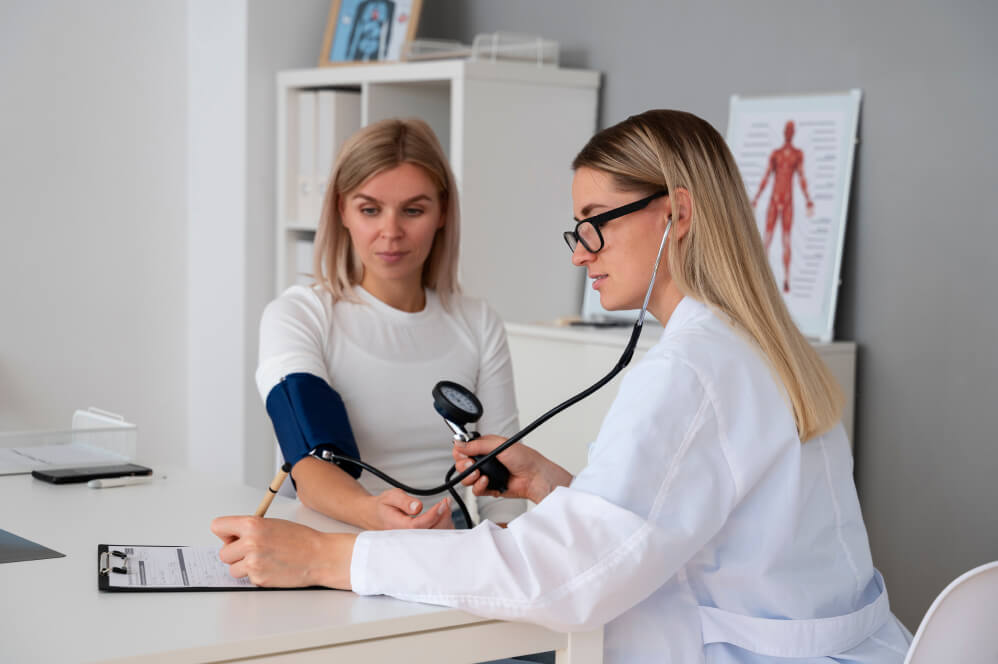
For women receiving chiropractic care, hormonal changes can be useful information to include in the broader health conversation. A chiropractor may evaluate joint motion, posture, movement patterns, and other musculoskeletal factors, but the practitioner should also recognize when symptoms may require additional medical evaluation. If a woman experiences persistent or unexplained joint pain, significant swelling, sudden weakness, major changes in function, or other concerning symptoms, discussing those issues with an appropriate healthcare professional is important.
This is particularly relevant because not every symptom occurring during perimenopause or menopause should automatically be blamed on hormones. Doing so can cause potentially treatable conditions to be overlooked. A woman experiencing persistent joint pain deserves an evaluation that considers her complete health history rather than simply assuming that estrogen is responsible.
At the same time, understanding hormonal influences can prevent women from feeling as though changes in their bodies are imaginary or inexplicable. If someone notices that her joints feel different during a major hormonal transition, that experience is worth discussing. The body is changing, and recognizing those changes can help guide appropriate decisions about exercise, nutrition, recovery, and healthcare.
Lifestyle becomes increasingly important throughout these transitions. Regular physical activity supports muscle strength and joint function, while weight-bearing exercise helps stimulate bone health. A balanced diet provides nutrients needed for normal physiological function, and adequate protein can support muscle maintenance. Sleep and stress management are also important because poor recovery can influence how the body feels and performs regardless of hormone levels.
Mobility work can complement these habits. Gentle movement through comfortable ranges can help maintain flexibility, while strength exercises can improve the body’s ability to tolerate physical demands. The ideal program will depend on age, fitness level, medical history, previous injuries, and individual goals. Women should not assume that they need to avoid exercise simply because their hormone levels are changing. In many cases, maintaining appropriate activity is one of the most valuable things they can do for long-term musculoskeletal health.
It is also worth remembering that aging does not automatically mean joints are destined to deteriorate. Healthy aging can include continued strength, mobility, balance, and physical independence. Hormonal changes are part of the body’s natural progression, but they do not determine a woman’s future physical capabilities by themselves. Consistent movement and appropriate healthcare can help women remain active through every stage of life.
The connection between estrogen and joint health is therefore best understood as part of a larger network of influences. Hormones interact with bone, muscle, connective tissue, inflammation, and the nervous system, while lifestyle and mechanical factors influence those same structures. A woman may experience joint changes during a hormonal transition, but understanding why requires looking at more than hormone levels alone.
For chiropractors and their patients, this broader perspective can encourage more individualized care. A woman’s age, reproductive stage, activity level, sleep quality, previous injuries, occupation, exercise routine, and overall health can all influence how she moves and feels. Considering those factors can create a more complete picture than focusing exclusively on a painful joint.
Perhaps the most important takeaway is that women should not feel as though they have to simply accept new aches and pains because they are getting older or going through menopause. Some changes are normal, but persistent symptoms deserve attention. There are many ways to support joint, muscle, and bone health, and the right approach can change as a woman’s needs change.
Estrogen is only one part of that story. From adolescence through pregnancy, postpartum life, perimenopause, and later adulthood, hormonal changes occur alongside changes in strength, body composition, activity, sleep, and biomechanics. Recognizing how these factors interact can help women make more informed decisions about their health.
A woman’s musculoskeletal system is constantly adapting to the demands placed upon it. Hormonal transitions can influence that process, but they do not have to define it. With appropriate movement, strength training, recovery, nutrition, professional guidance, and medical evaluation when necessary, women can continue supporting healthy joints and maintaining an active lifestyle throughout every stage of life.